

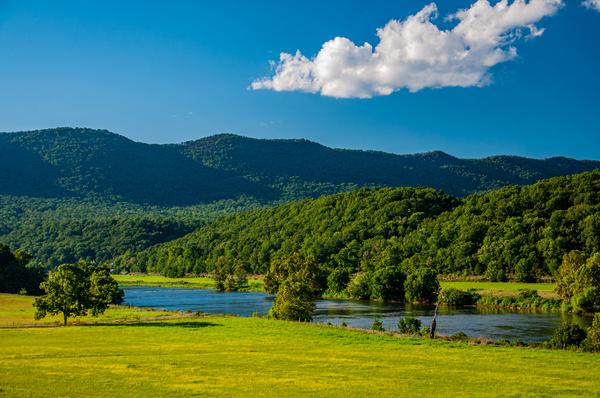
The perfect Shenandoah tubing trip starts with warm sun on your shoulders, a slow float beneath leafy riverbanks, and mountain ridges rising beyond the trees. The Shenandoah Valley feels quiet from the water, with birds overhead, soft ripples under your tubes, and friends laughing as the current carries everyone downstream.
On a relaxing day, tubing on the Shenandoah feels less like a sport and more like permission to slow down. You sit back, grab a drink from the cooler, watch the natural beauty pass by, and forget the clock for an hour or two.
Before setting out on your tubing adventure, book a cabin in the Shenandoah Valley and turn your river journey into a full weekend escape.
In this guide, we cover everything you need to know about tubing on the Shenandoah River, even if you’re a total newbie.
What Is Tubing on the Shenandoah River Like?
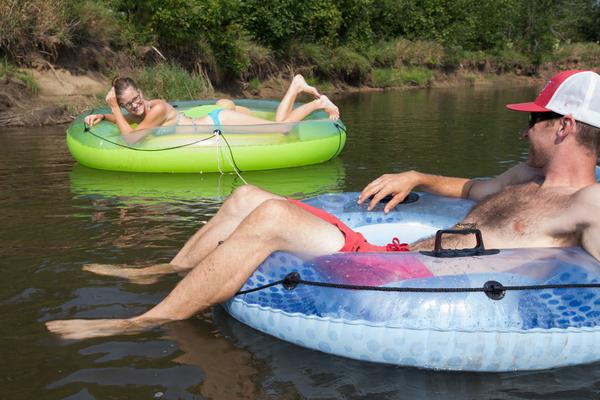
Shenandoah River tubing is one of the most popular outdoor summer activities in West Virginia, and Shenandoah River is often recognized as one of the top tubing rivers in the nation.
Shenandoah provides a scenic and leisurely floating experience. Most of its commercial routes are flat water tubing, meaning calm to gentle currents, small riffles, and no big whitewater.
Generally, tubing trips on the Shenandoah River last about 2.5 to 4 hours on a mellow stretch of 2.5 to 3 miles. The North Fork, South Fork, and main stem each offer a different feel, with popular access near Front Royal, Harpers Ferry, and Page Valley near Luray Caverns.
Best Time of Year and Time of Day for Shenandoah River Tubing
Tubing season on the Shenandoah River generally starts around Memorial Day weekend and can extend to mid-September, depending on weather conditions.
Summer is the safest bet for warm air and water, especially in June, July, and August. Spring can be too chilly for comfortable wading or swim breaks, even when kayaking, canoeing, and fishing trips are already running.
Midday and early afternoon tubing trips usually feel warmest, but morning river trips can be quieter in peak season.
Water levels strictly dictate safety for tubing on the Shenandoah River and should be monitored before your trip. The river depth fluctuates with local rainfall, affecting the flow and experience of tubing. Higher water levels increase speed, while lower levels require more paddling.
Is Shenandoah River Tubing Safe and Family-Friendly?
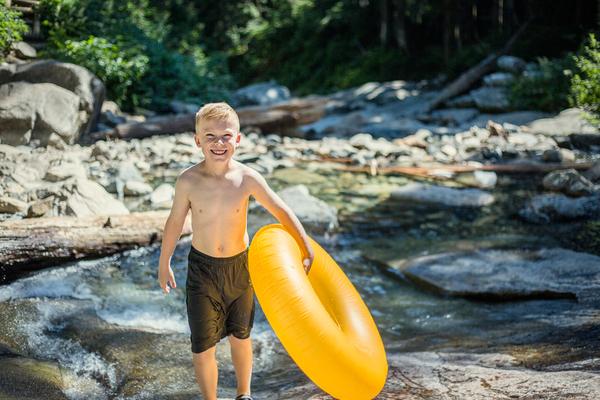
Commercial river tubing is beginner-friendly, but it still happens on a moving river. The current in the Shenandoah River is generally gentle but requires minor strategy for navigation, especially when you need to paddle away from shallow rocks or steer toward the take-out.
Tubing on the Shenandoah River is a family-friendly activity suitable for young children. Participants in tubing trips are typically required to be at least 4 years old, and there may be weight requirements depending on the tubing provider.
Always ask about minimum age, weight rules, and experience levels before you book your trip with an outfitter.
Safety is taken seriously on the Shenandoah. Most outfitters require waivers, safety talks, and fitted PFDs. Virginia state law prohibits public drinking on the river, and outfitters enforce strict rules regarding alcohol.
Tubers should always check for heavy rain or thunderstorms before their trip and exit the river during lightning.
Best Places to Go Tubing on the Shenandoah River
Different stretches of the Shenandoah River offer different scenery, from farms and forests to Blue Ridge views near Shenandoah National Park. First-timers should launch from outfitters or clearly marked public access instead of trying to scout private banks, parking, and take-out points alone.
- Front Royal, VA: Front Royal is convenient for visitors coming from Northern Virginia. This location is near the meeting of the North and South Fork, with easy access and family-friendly tubing.
- Luray: The south fork near Luray offers a calm stretch through farmland and mountain scenery, with cabins, tent camping, RV sites, trails, and Luray Caverns nearby.
- Harpers Ferry: Harpers Ferry is a favorite for groups from DC and Baltimore who want river trips, historic streets, and Blue Ridge views in one visit.
Shenandoah River Outfitters, Rentals & Access Points
There’s no need to stress about bringing gear for tubing; local outfitters make the day simple.
Rentals often include shuttle service to the river entry point, which means you do not have to move cars or walk back along roads after the float. Many riverfront outfitters are located near Front Royal, Harpers Ferry, and the South Fork.
Tube choices vary. Standard tubes are made of heavy-gauge vinyl fabric designed for river use, offering greater durability and comfort compared to basic black rubber tubes. Deluxe tubes feature seat bottoms, cup holders, and backrests, making them more luxurious than the standard tube.
Tube Trackers are designed for river use and include a light-duty paddle, making them more maneuverable than standard tubes. They also come with additional amenities like handles and a cup holder. Some outfitters also offer cooler tubes for you to bring along snacks and drinks. A few offer dog tubes, but pet rules vary, so check before taking your pet.
When booking with an outfitter, keep in mind that weekends and holidays in peak summer can sell out ahead of time, especially for large groups.
Note that public ramps exist along various points of the main stem, courtesy of the Virginia Department of Wildlife Resources. However, parking costs and the hassle of gear transport usually make it easier for visitors to simply book with commercial outfitters.
Can I bring my own tube instead of renting from an outfitter?
You can bring private tubes to some public access points, but you must manage your own safety gear, transport, and parking. You’ll also have to familiarize yourself with the river rules in Virginia or West Virginia.
If you are bringing your own tube, make sure to bring durable river tubes, not pool toys. First-time river riders usually have a smoother tubing trip with commercial-grade gear.
What to Bring and What to Wear
When packing for your river outing, footwear is the most important consideration of all. Proper footwear is mandatory for tubing on the Shenandoah River.
Flip-flops and bare feet are strictly prohibited by all major rental companies for tubing. Wear water shoes, strapped sandals, or old sneakers, not flip flops.
Beyond that, there are a few basics every tuber should have on them before hitting the water:
- Sunscreen
- Sunglasses (ideally with a strap)
- Hat
- Dry bag for valuables
- Fresh water for the day (at least 12 oz. per person per hour)
- Drinks and snacks in plastic packaging, such as glass and styrofoam, are usually banned. You can have your glass bottles during a post-tubing trip to a local brewery!
Drift on Down the Shenandoah River
What makes tubing the Shenandoah River special is the rhythm of the day. You are not chasing a finish line. You are drifting past sycamores, sliding over clear shallows, watching sunlight move across the water, and letting the river set the pace.
That is why so many people return to the Shenandoah Valley each summer with friends, kids, and bigger groups. A simple float becomes the kind of memory that feels easy to repeat: book the trip, pack the cooler, park yourself in a tube, and let the Shenandoah do the rest.
Book a cabin in the valley and enjoy the whole Shenandoah experience, from sunrise coffee to afternoons on the river and evenings around the fire.