
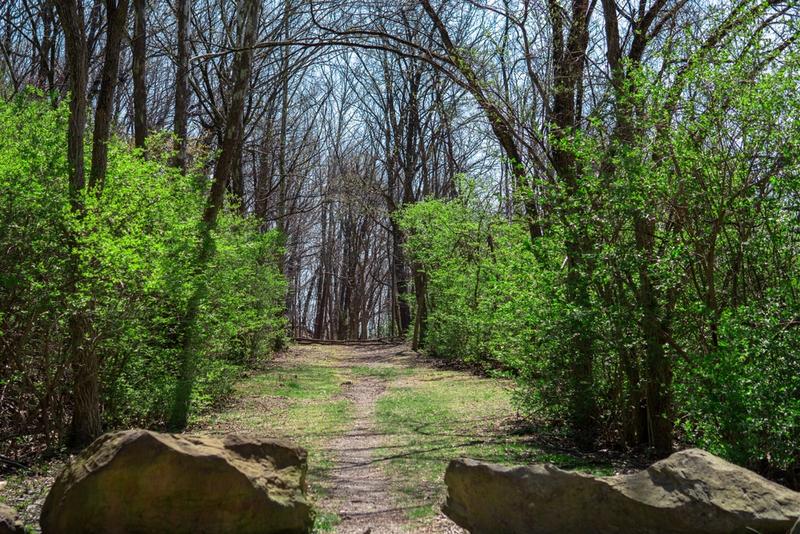
Hiking at Lost River State Park feels like stepping into a quieter pocket of Appalachia, with its pine-scented paths, rocky ridges, ferny hollows, and long climbs that open suddenly into wide valley views. The park is located in Hardy County, in West Virginia’s eastern panhandle, just a short drive from the Lost River itself.
Lost River State Park features 23 miles of hiking trails that traverse 3,934 wooded acres, offering a variety of landscapes and wildlife. The best hiking trails at Lost River State Park highlight the park’s rugged ridge typography, offering paths that range from short family walks to strenuous full-day ridge loops.
Before you read on to pick a route, consider making a weekend of it. Book yourself a cabin close to Lost River so you can hike early, catch the ridge overlooks in soft morning light, and enjoy the park without rushing.
1. Miller’s Rock Trail
- Length: 3.5 miles
- Difficulty: Medium
- Highlights: Rocky ridge walking and impressive overlook experience
- Access point: White Oak trailhead at the horse stables
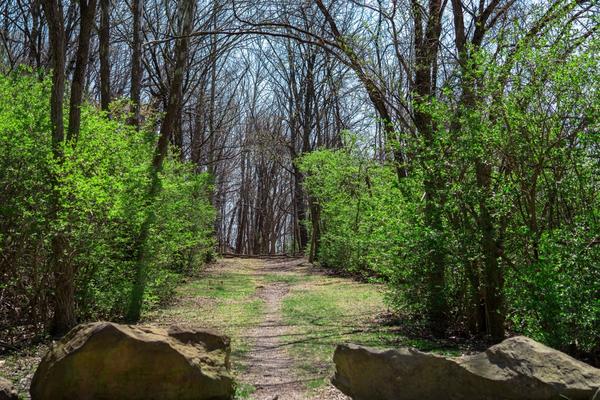
The Miller’s Rock trail is one of the best choices if you want a satisfying climb without committing to the longest big ridge routes. The trail moves through shaded hardwood forest before rising toward rougher, rockier terrain.
The reward is Cranny’s Crow, a scenic outcrop that gives hikers a nice sense of the park’s folded mountain landscape at 3,200 elevation. It’s a strong pick for hikers who want photography with epic views. The trail also pairs well with other ridge paths if you want to extend your day.
This route is best for hikers with moderate fitness who are comfortable with climbs and natural tread. Expect roots, uneven footing, and sections where rugged footwear is highly recommended due to the rocky ridges. Wet weather can make rock and root sections slick, so take your time after rain.
In late spring, expect dense thickets of mountain laurel blooming, as well as towering pine and hardwood canopies. Keep an eye out for white-tailed deer, songbirds, and the occasional black bear or timber rattlesnake on the way.
2. White Oak Trail to Cranny Crow Overlook
- Length: About 3.5–4 miles one way, depending on route
- Difficulty: Medium
- Highlights: Panoramic views from Cranny Crow at about 3,200 feet
- Access point: White Oak Trail trailhead at the horse stables
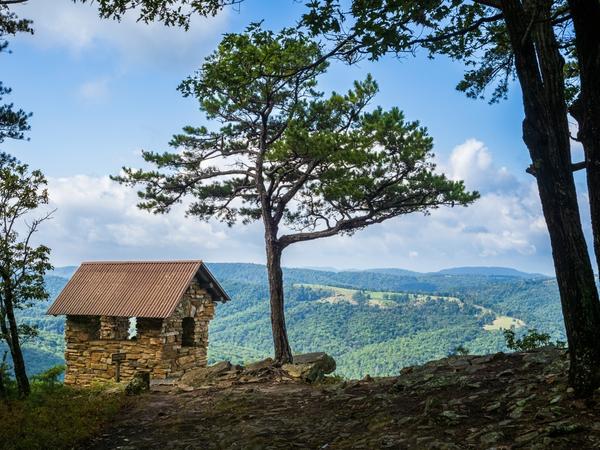
White Oak Trail is the classic “earn the view” hike at Lost River State Park. It also leads to the Cranny Crow overlook, providing panoramic views of five counties. The route climbs steadily through forest, with switchbacks and rocky stretches that make the ascent feel like a true mountain hike.
The overlook is the reason many hikers put this route at the top of their list. On a clear day, the view rolls across ridges, valleys, farms, and distant counties. Autumn brings exceptional color changes across the valley, making October a peak time for the ridge overlooks.
This trail is best for hikers who want the signature Lost River view and don’t mind a sustained climb. If you prefer a slower pace, plan extra time for breaks and bring more water than you think you need.
Look out for one of the Almost Heaven swings on this route. They’re dotted through state parks throughout West Virginia and offer fun photo opportunities with scenic backdrops.
3. Big Ridge Trail
- Length: About 8.3 miles for Big Ridge Trail; longer loops can reach about 10 miles
- Difficulty: Hard
- Highlight: Full-day ridge hiking with overlooks, meadows, and connecting routes
- Access point: Commonly accessed from Howard’s Lick
Big Ridge is for hikers who want more than a quick viewpoint. This is the park’s longer, more demanding ridge experience, with climbing, descending, and enough distance to feel remote. It can also connect with routes toward Cheeks Rocks, Miller’s Rock, the Fire Tower area, and other high points.
The hiking experience here is more rugged and varied than the shorter trails. You may pass through hardwood forest, open ridge meadows, rocky outcrops, and quiet sections where the canopy closes overhead.
Lost River State Park features trails with rocky ridges, pine-scented paths, and steep climbs leading to scenic vistas. Big Ridge captures all this character especially well.
This route is best for experienced hikers who have a full day, good footwear, and enough water. Navigation matters here, so bring a downloaded map to navigate junctions with confidence. Blazes can be harder to spot on lesser-used connector trails, and the long mileage means small mistakes can add time quickly.
4. Howard Lick Trail
- Length: About 2.7 miles
- Difficulty: Easy
- Highlight: Flat forest walking along Howard Lick Run
- Access point: Parking lot near Cabin #3
Howard Lick Trail is one of the most approachable hikes in the park. While many Lost River routes climb toward the ridge, this trail stays gentler and more forested. These routes feature minimal elevation change and are ideal for families, casual walkers, and wildlife viewing.
The trail follows the feel of a quiet Appalachian hollow, with shaded walking, birdsong, and stream habitat around Howard Lick Run. If your group includes younger hikers, casual walkers, or anyone easing into hiking, this is one of the best ways to enjoy the park without a strenuous climb.
Howard Lick is also a smart warm-up hike before tackling White Oak Trail or Big Ridge. It gives you a sense of the terrain, trail markings, and forest conditions without requiring a major time commitment. For a family outing, pair it with a picnic, the playground, or a visit near the cabin area.
5. Loblolly Trail and Covey Cove Trail
- Length: About 0.8 miles for Loblolly; extend with nearby short connectors such as Covey Cove trail
- Difficulty: Easy
- Highlight: Short forest walking close to park facilities and cabin areas
- Access point: End of Cabin Run Road
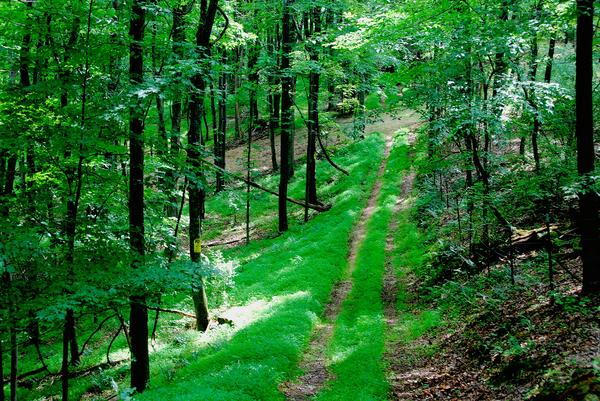
Loblolly Trail is a short, friendly option when you want a walk rather than a workout. It is especially useful for groups with mixed fitness levels. It starts at the end of Cabin Run Road and only takes about half an hour out-and-back.
The route is less about big views and more about texture: pine needles underfoot, hardwood shade, birds moving through the canopy, and the feeling of being tucked into the forest. It is also a practical choice on a recovery day after a longer hike, when you still want to stretch your legs but do not want another steep climb.
Nearby short routes and connectors, including the Covey Cove trail, can help you customize the outing. Covey Cove Trail connects to Light Horse Harry Lee Trail, then Piney Ridge Road.
This is a good zone to explore if you want easy access, a shorter time commitment, or a gentle introduction to Lost River State Park hiking trails.
Tips for Hiking in Lost River State Park
Preparing for a hiking trip in Lost River State Park begins with planning for the season.
The park is open year-round, but spring and autumn are particularly good times to visit to see wildflowers and fall foliage. The weather at these times is fairly mild, making for comfortable hiking.
Summer can be lush but buggy, so bring repellent and check for ticks. Winter can be beautiful, but icy overlooks and shaded slopes require extra caution, so make sure you have good tread on your shoes and wrap up warm.
Here are a few tips to plan your perfect hike:
- Download your route before entering the valley because the cell signal is spotty.
- Find trail routes on the West Virginia State Parks website.
- Carry water, snacks, and layers in case the weather turns.
- Wear rugged shoes or boots for rocky tread.
- Check whether your chosen route allows hiking only, horseback riding, or mountain biking.
- Pick out a couple of good places to eat to fuel up before each hike, or refuel and rest afterwards.
- If you are staying overnight, book early during peak foliage weekends.
Time to Explore Lost River State Park Hiking Trails
Lost River State Park is one of those West Virginia escapes where the best trail depends on what you want from the day. You can take a quiet forest walk, climb to a ridge overlook, explore around a cabin area, or spend hours linking trails across rugged high ground.
The variety is what makes Lost River State Park hiking trails so rewarding, worthy of visiting again and again. One visit might be about Cranny Crow’s sweeping views, the next might be about a slow walk under Howard Lick’s hardwoods.
Ready to turn the hike into a full mountain getaway? Book your cabin near Lost River State Park, pack your boots, and give yourself enough time to explore more than one trail. Trust us; Lost River is best when you don’t have to rush it.