
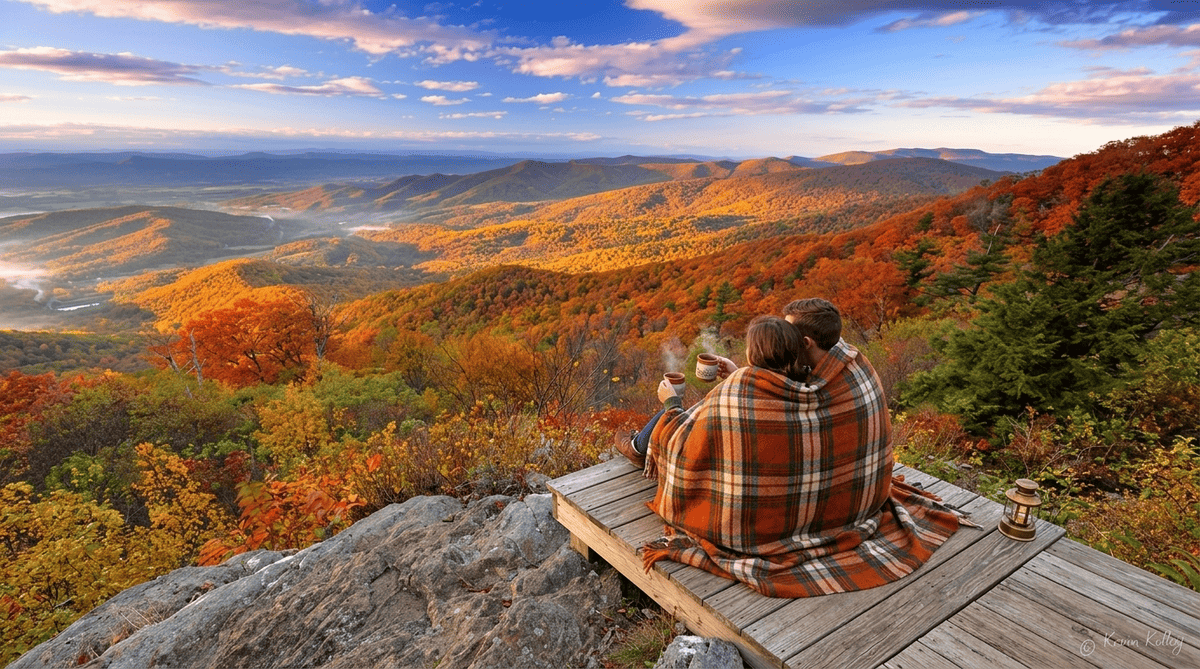
There’s a special kind of magic in waking up to mist rolling across the Blue Ridge Mountains, hearing nothing but birdsong, and stepping outside without trading away your real bed. That’s the heart of glamping in the Shenandoah region, and at Blue Maple, it’s the kind of stay we love helping our guests plan.
We started with one cabin in Berkeley Springs, West Virginia, and now manage more than 160 properties across the Shenandoah Valley of Virginia and the West Virginia mountains. Along the way, we’ve met hundreds of travelers looking for that mix of nature and comfort: a real bed, a hot shower, a private hot tub, and a view that makes you forget your inbox.
In this guide, we’ll share what makes glamping Shenandoah so special, the natural areas and attractions worth building your trip around, the best times of year to visit, and a few of our favorite dome and chalet stays for a true glamping feel.
What Glamping in the Shenandoah Region Actually Looks Like
The word “glamping” mixes “glamorous” and “camping,” and it’s a fair description. You sleep close to nature, but you keep the real-world comforts: heating and cooling, soft beds, a private bathroom, and usually a hot tub or fire pit just outside your door.
In our part of the country, glamping covers a wide range of stays. You’ll find canvas tents on platforms, yurts tucked along the South Fork Shenandoah River, geodesic domes with skylights aimed at the stars, and modern chalets nestled deep in the woods. Some sit inside campgrounds; others, like the cabins and domes we manage at Blue Maple, are private properties on their own quiet plots of land.
The Shenandoah Valley itself is a 140-mile stretch between the Blue Ridge Mountains to the east and the Allegheny Mountains to the west. Glamping here usually means easy access to Shenandoah National Park, the Shenandoah River, scenic small towns like Luray and Front Royal, and, just over the state line, the historic mineral springs of Berkeley Springs in West Virginia.
Quick insight: Most travelers picture glamping as warm-weather only, but the most popular dome stays in our area are booked year-round. A snowy night in a heated dome with a hot tub on the deck is one of the best winter experiences you can have around here.
Where to Glamp: The Heart of the Shenandoah Region
The “Shenandoah” name covers a lot of ground. To help you plan, here are the natural areas and landmarks that anchor a great glamping trip, and why each one is worth a day (or more) of your itinerary.
Shenandoah National Park
If you only build your trip around one place, make it this one. Shenandoah National Park covers about 200,000 acres along the spine of the Blue Ridge Mountains, with more than 500 miles of trails, dozens of waterfalls, and some of the best stargazing in Virginia.
Guests tell us they often plan a glamping stay here just for the night skies. With limited cell service in much of the park, you really do unplug. Bears, deer, and owls are common sights. The famous Skyline Drive runs the length of the park, so even on a slow day you can simply pull over at an overlook with coffee in hand.
- Rating: 4.8 out of 5 (over 18,000 reviews)
- Address: located along Skyline Drive, Virginia
- Phone: (540) 999-3500
- Entry fee: about 15 to 30 dollars per vehicle (good for seven days)
Learn more about Shenandoah National Park
Skyline Drive
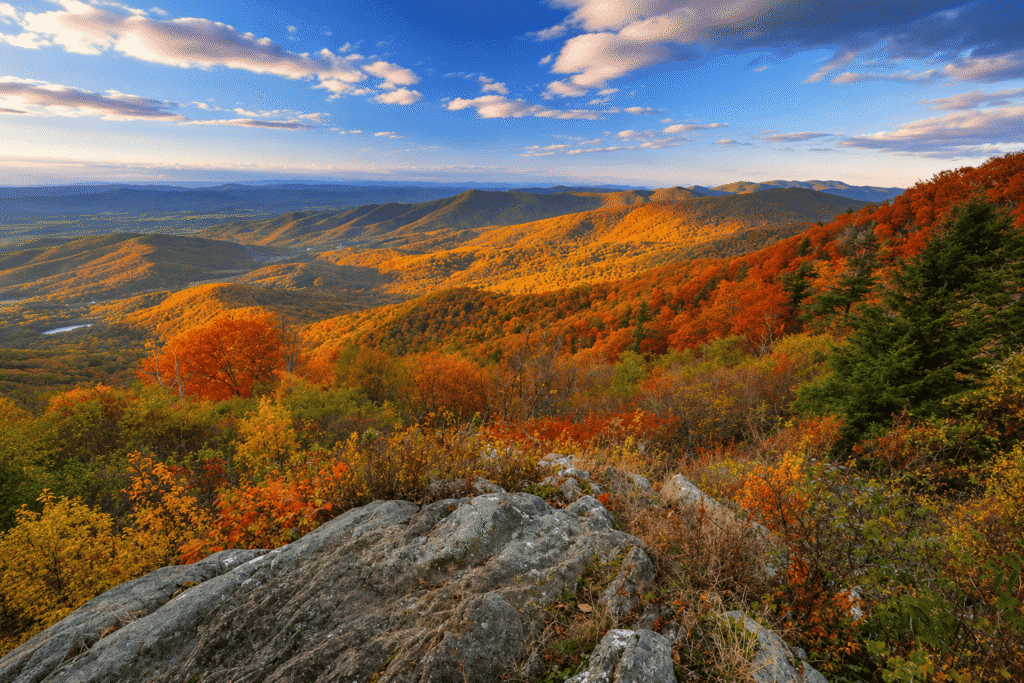
Skyline Drive is the 105-mile road that runs north to south through Shenandoah National Park, and it’s the easiest way to see the Blue Ridge in a single day. There are 75 numbered overlooks, and pulling over at even half of them turns a drive into a small adventure.
We always tell guests to plan more time than they think. The speed limit is 35 miles per hour for a reason: deer, hikers, and the kind of views that make you stop short. Fall foliage is spectacular, but spring wildflowers and summer green are just as worth it.
- Length: 105 miles, north entrance at Front Royal, south entrance at Rockfish Gap
- Speed limit: 35 mph
- Best for: leaf peeping, sunrise and sunset photography, easy day trips from a glamping basecamp
Learn more about Skyline Drive

Old Rag Mountain
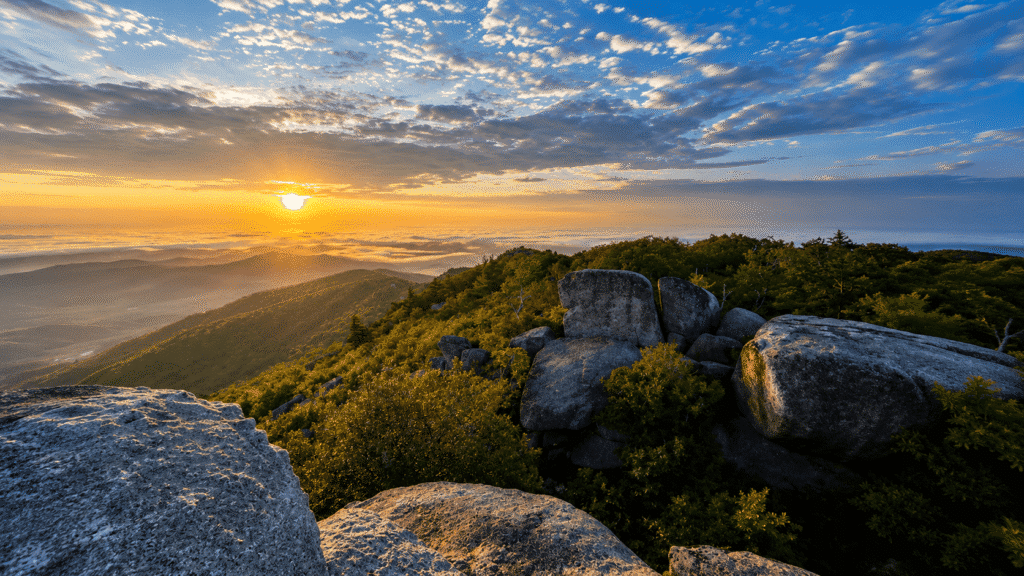
Old Rag is the most famous (and most demanding) hike in Shenandoah National Park. The 9.4-mile loop climbs about 2,400 feet and includes a real rock scramble near the summit. The reward is a 360-degree view of the Blue Ridge that hikers have been chasing for generations.
This hike isn’t for everyone, and we’d never recommend it on a casual trip with kids. But if you and your group are reasonably fit and love a challenge, plan a full day for it. Bring more water than you think you’ll need, expect no cell service, and treat it like a real mountain hike, not a stroll.
- Rating: 4.9 out of 5
- Length: about 9.4 miles round trip
- Important: a day-use ticket is required from March 1 through November 30 in addition to the park entrance fee. Reserve in advance through Recreation.gov.
- Dogs: not permitted on Old Rag trails
Learn more about Old Rag Mountain
Whiteoak Canyon Falls
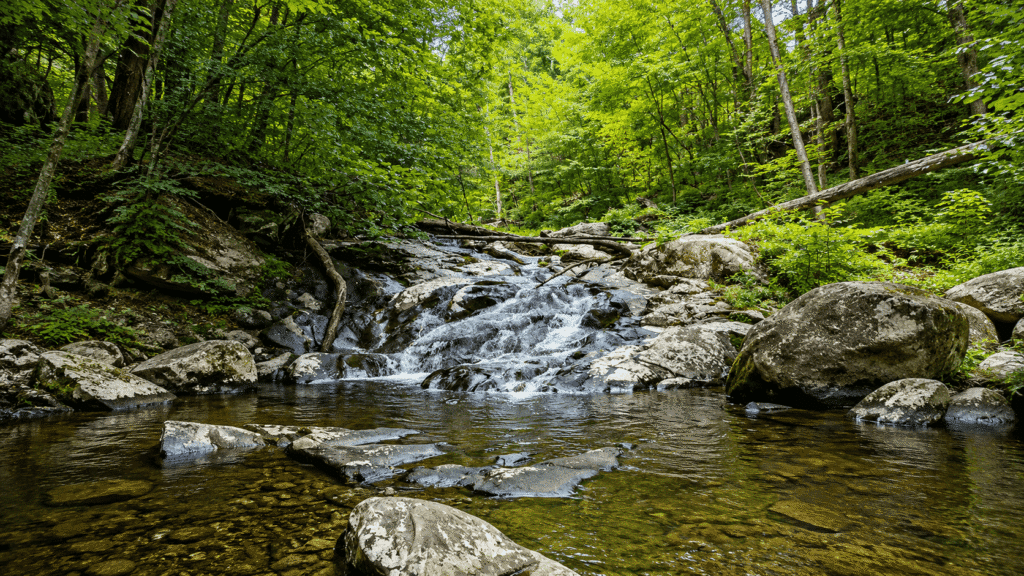
If Old Rag feels like too much, Whiteoak Canyon is our favorite alternative. The trail follows a stream through ferns and mossy rocks, with six waterfalls along the way. You can do as much or as little as you want: a short out-and-back to the upper falls, or a full descent to the lower falls if your knees are up for it.
The upper trailhead sits along Skyline Drive between mileposts 42 and 43, near Skyland. From the upper parking lot, it’s about 2.5 miles round trip to the upper falls. Adding the lower falls makes it a longer, much steeper day.
- Rating: 4.8 out of 5
- Trailhead: Whiteoak Canyon Trail, Luray, VA 22835
- Best months: spring (peak waterfall flow) and fall (color and cooler temperatures)
- Heads up: rocks near the falls get slick, especially in winter when black ice forms
Learn more about Whiteoak Canyon Falls
Big Meadows
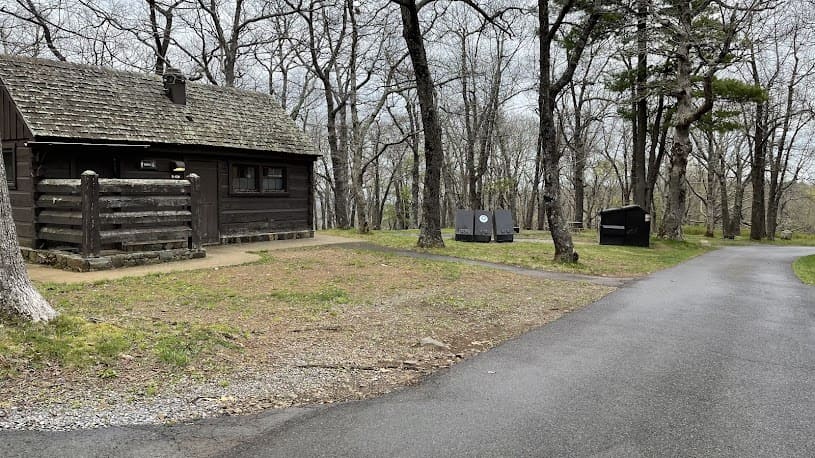
Big Meadows sits roughly in the middle of Shenandoah National Park and is one of our favorite stops on Skyline Drive. The wide-open meadow is one of the best places in the park to spot deer at dawn and dusk, and the night sky here is genuinely dark.
There’s a visitor center, a lodge, a campground, a small store, and trailheads for some of the park’s prettiest waterfalls (Lewis Falls, Dark Hollow Falls, Rose River). If you’re glamping nearby, this makes a great half-day stop, especially around sunset.
- Rating: 4.7 out of 5
- Address: Skyline Drive, Stanley, VA 22851
- Best for: stargazing, deer watching, easy waterfall hikes
Beyond the Park: Caverns, Rivers, and Charming Small Towns
The Shenandoah Valley has a personality that goes well beyond the national park. Underground caverns, lazy river floats, and walkable downtowns give you plenty to do on the days when you’d rather not lace up hiking boots.
Luray Caverns
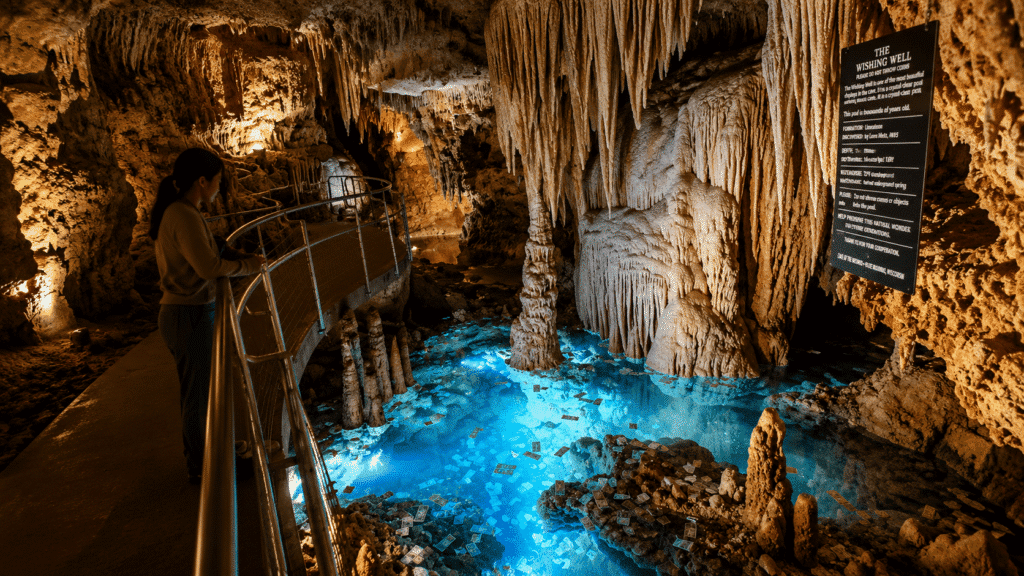
Luray Caverns is the largest cavern system in the eastern United States, and it’s the kind of place that even reluctant tourists end up loving. The temperature stays a steady 54 degrees year-round, the walkways are paved, and the formations are genuinely jaw-dropping.
Don’t miss the Great Stalacpipe Organ, the world’s largest natural musical instrument, which plays music using carefully tuned stalactites. Dream Lake is another highlight: a still, shallow pool that mirrors the ceiling so perfectly it looks twice as deep. Plan about 90 minutes for the cavern tour, plus extra time for the on-site garden maze, car museum, and gem mining if you have kids.
- Rating: 4.7 out of 5 (over 26,000 reviews)
- Address: 101 Cave Hill Rd, Luray, VA 22835
- Phone: (540) 743-6551
- Tip: book tickets online to skip the line on busy weekends
Learn more about Luray Caverns
South Fork of the Shenandoah River
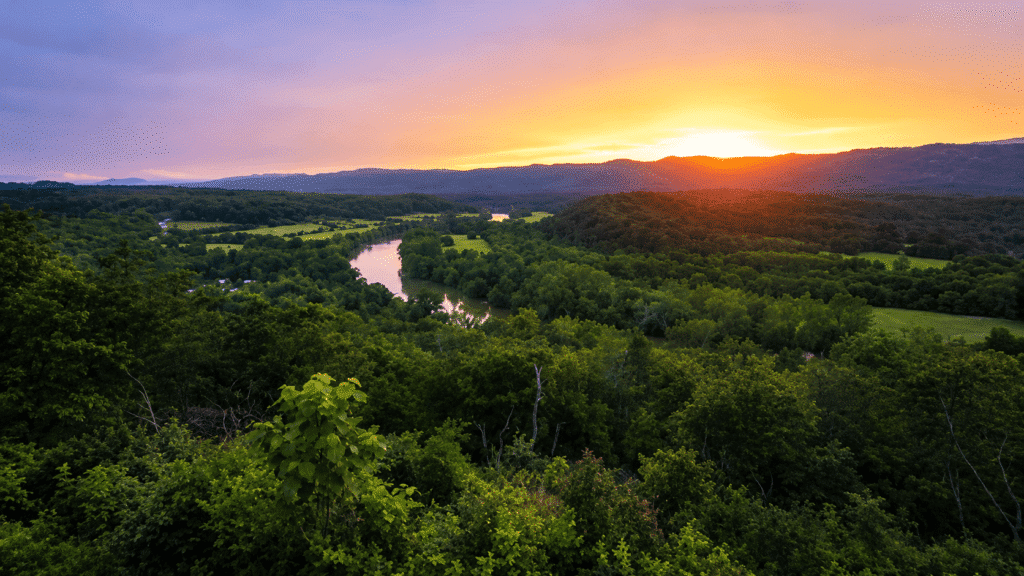
The Shenandoah River is the lifeblood of the valley, and the South Fork (running between Front Royal and Port Republic) is the most popular stretch for tubing, kayaking, and canoeing. Outfitters in Bentonville, Luray, and Front Royal can rent gear and shuttle you, so all you need is a swimsuit and a good attitude.
Floating the Shenandoah is one of those activities that resets you. The water is mostly shallow and slow, the banks are lined with sycamores and cliffs, and bald eagles are a regular sight overhead.
- Rating: 4.6 out of 5
- Best months: late May through early September for tubing
- Tip: water shoes save your feet from rocky entry points
Learn more about the South Fork Shenandoah River
Front Royal
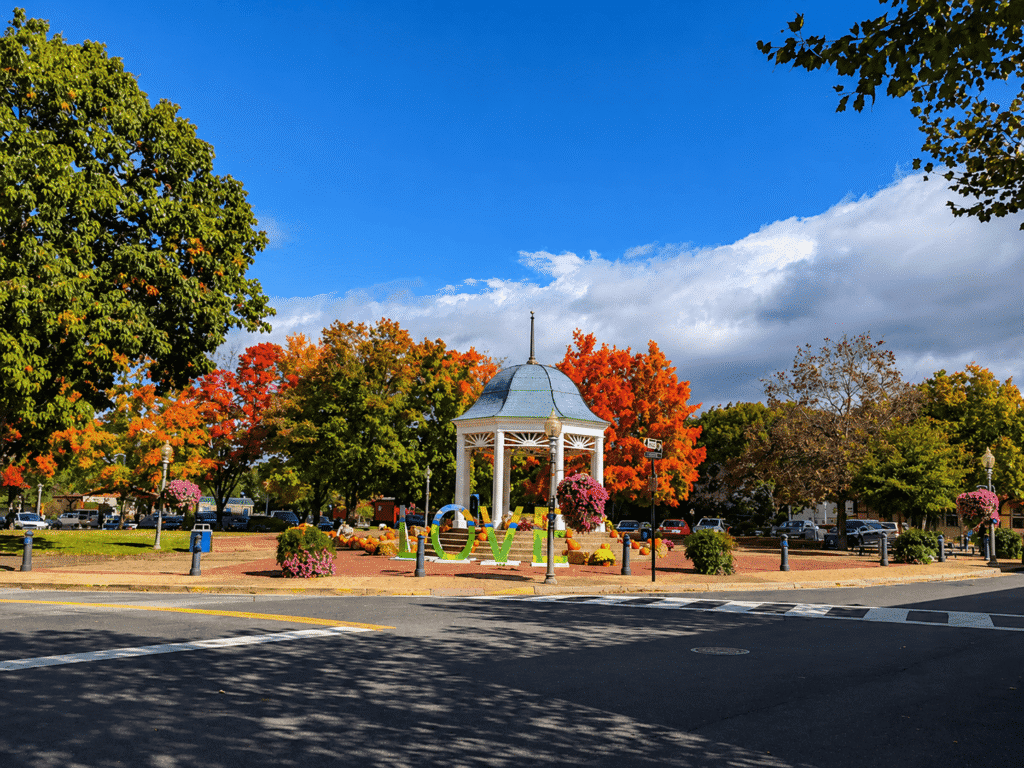
Front Royal is the northern gateway to Skyline Drive and a great launch pad for a glamping trip. The walkable downtown has coffee shops, breweries, antique stores, and easy access to the river. We often suggest guests build a slow day here on arrival or departure: lunch in town, a cavern tour, and a sunset float on the river.
- Address: Front Royal, VA 22630
- Best for: town strolls, coffee and craft beer, river outfitters
- Quick insight: from Front Royal, the entrance to Skyline Drive is just a few minutes away, so you can be in the national park before your coffee gets cold
Best Time to Go Glamping in the Shenandoah
We get this question constantly, and our honest answer is: any season works, you just plan a little differently for each one.
Spring (March through May): Wildflowers along Skyline Drive, peak waterfall flow at Whiteoak Canyon and Dark Hollow, and fewer crowds than summer or fall. Pack rain gear; spring storms roll through fast.
Summer (June through August): Warm, lush, and the best time for river floats and tubing. Highs can reach 90 degrees in the valley but stay cooler at higher elevations. Book early for weekends, especially in July.
Fall (mid-September through late October): The most popular season, full stop. Peak foliage usually lands somewhere between October 7 and 25 depending on the year and elevation. We recommend booking at least a month ahead, often more, and planning for two-night minimums.
Winter (November through February): Quieter, cozier, and a favorite of ours. Snow on the Blue Ridge is genuinely beautiful, and a heated dome with a fireplace and hot tub is hard to beat. Skyline Drive can close temporarily for ice, so check conditions before heading up.
Did you know? Big Meadows in Shenandoah National Park is officially designated for dark-sky stargazing. On a clear, moonless night you can see the Milky Way arch overhead, no telescope needed.
What to Pack for a Shenandoah Glamping Trip
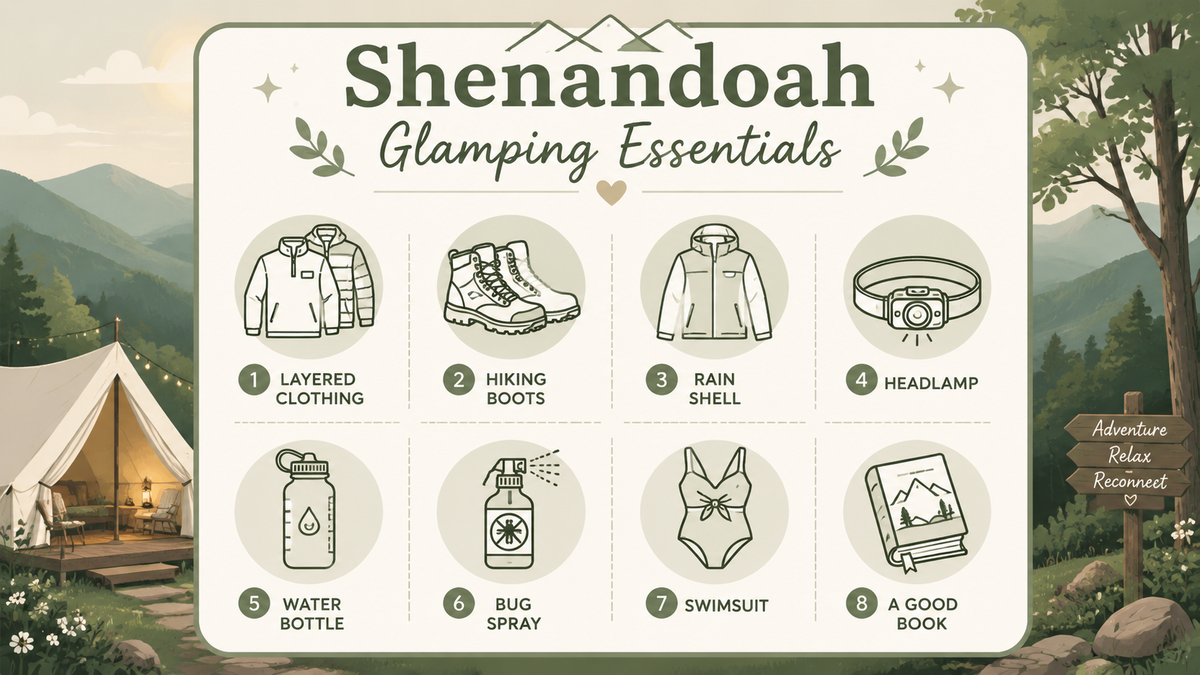
A glamping packing list lands somewhere between “weekend hotel stay” and “real camping trip.” Here’s the short version we share with first-time guests:
- Layers, always. Mountain weather changes fast. A warm fleece or jacket helps even in summer.
- Sturdy shoes. Hiking boots or trail runners for the trails, plus a comfy pair for around the property.
- Rain gear. A light rain shell beats an umbrella on the trails.
- Headlamp or flashlight. Many of our properties are on quiet rural roads with no streetlights.
- Reusable water bottle. You’ll drink more than you think on the trails.
- Bug spray and sunscreen from late spring through early fall.
- Bathing suit and hot tub-friendly slides if your stay has a hot tub (and many of ours do).
- A book, board games, or a deck of cards. Cell service is patchy in the mountains, and that’s part of the appeal.
If you’re hiking Old Rag, add trekking poles, extra water, and snacks. If you’re floating the river, bring water shoes, a dry bag, and reef-safe sunscreen.
A Sample Glamping Shenandoah Itinerary
If it helps to picture the trip, here’s a relaxed three-day plan we’ve watched many guests enjoy:
Day 1: Arrival and easy exploration. Pick up groceries on the way in, settle into your dome or cabin, and spend the evening on the deck or in the hot tub. If you arrive early, drive into Front Royal for an early dinner.
Day 2: National park day. Head into Shenandoah National Park early. Drive a stretch of Skyline Drive, pick a hike based on your group’s pace (Whiteoak Canyon, Dark Hollow Falls, or Old Rag if you’re up for it), and end at Big Meadows around sunset for the views.
Day 3: Slow morning, caverns, and home. Sleep in. Brunch at your cabin or in town. Tour Luray or Skyline Caverns, or spend the afternoon floating the South Fork Shenandoah River. Pack up and head home with the kind of tired you actually wanted.
For longer stays, add a Berkeley Springs spa day, a brewery or winery afternoon, or a second hike. The valley rewards travelers who slow down.
Plan Your Glamping Shenandoah Getaway With Us
Glamping the Shenandoah is one of those trips that pays you back in small moments: morning fog over the Blue Ridge, the smell of coffee on a quiet deck, a hot tub under more stars than you usually get to see. The hard work is choosing your basecamp, and we’d love to help.
At Blue Maple, our mission is simple: help our guests reconnect and create memories that last. Browse our destination guides and trip ideas for more inspiration, or jump straight to our luxury cabin and dome rentals to find your stay. When you’re ready to book, our team is around 24/7, just a quick message or call away.
We can’t wait to host you in our corner of the mountains.
%208.08.23%E2%80%AFa.m..png)
Frequently Asked Questions
What is glamping in the Shenandoah Valley?
Glamping in the Shenandoah Valley combines time in nature with the comforts of a furnished stay. Options range from canvas tents and yurts on managed campgrounds to private geodesic domes and modern cabins with hot tubs, full kitchens, and heating and cooling. Most stays sit close to Shenandoah National Park, the Shenandoah River, or scenic small towns like Luray and Front Royal.
When is the best time to go glamping in the Shenandoah?
Late September through mid-October is the most popular window thanks to fall foliage, but spring and early summer offer better waterfall flow and smaller crowds. Winter is quietly excellent if you want a heated dome or a Shenandoah Valley cabin with a hot tub and snowy views. Whatever season you pick, book 3 to 6 weeks ahead for weekends.
Is glamping in the Shenandoah good for families with kids?
Yes. Most glamping cabins and domes are family-friendly, with real beds, private bathrooms, and yards for kids to run. Caverns, river floats, easier hikes like Dark Hollow Falls, and stops like the Luray Caverns garden maze all work well for families. Old Rag is the one major hike to skip with younger children.
Do I need a permit to hike in Shenandoah National Park?
You’ll need a standard park entrance pass (about 15 to 30 dollars per vehicle, valid for seven days), which covers most trails. Old Rag also requires a separate day-use ticket from March 1 to November 30, which is reserved through Recreation.gov. Carry your pass with you when you hike.
Can I bring my dog glamping in the Shenandoah?
Many glamping cabins, including a number of Blue Maple properties, are pet-friendly. Most trails in Shenandoah National Park allow leashed dogs, with a few exceptions (Old Rag is the biggest one). Always confirm pet policies before booking and pack a leash, bowls, and waste bags.
How far is the Shenandoah Valley from Washington, DC?
Front Royal, the northern gateway to Shenandoah National Park, is about 75 miles from Washington, DC, or roughly 90 minutes of driving without traffic. Berkeley Springs, West Virginia, is about a two-hour drive. Both make easy weekend trips.